Originally published on EmbeddedRelated.
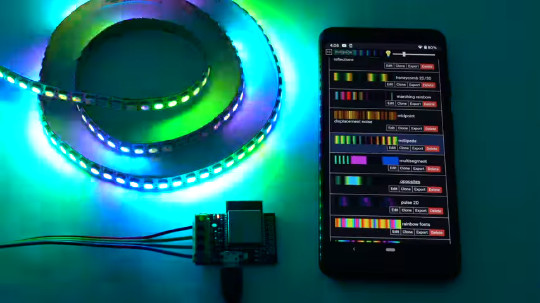
It started simply: build some addressable LED Christmas lights for the outside of the house using a Pixelblaze controller made by a friend. The general concept is straightforward — power adapter, LED strips, controller, connectors — but “how hard could it be?” turned out to be the wrong question. Needing 12 V LED strips to avoid overloading a USB power adapter, sourcing a tiny 5 V buck converter to power the ESP32-based Pixelblaze controller from the same 13 V supply, and wiring the whole thing together cleanly were each a small puzzle in their own right.
The harder problems came after the electronics worked: weatherproofing everything for outdoor use (the article includes a practical primer on IP ratings), and figuring out how to hang strings of LEDs around the perimeter of a house without them looking terrible or coming down in wind. Each of these turned out to have a non-obvious solution that only became clear after a wrong turn or two.
The result works, looks great, and runs patterns generated by the Pixelblaze firmware — and the log is candid about every misstep along the way. The Pixelblaze itself earns a strong endorsement: its browser-based pattern editor and sequencer are exactly the kind of polished interface that would be easy to underestimate until you see how much work went into it. For engineers who want to build their first outdoor addressable LED installation, this is a practical roadmap of the decisions and complications that beginner tutorials skip over.