Originally published on EmbeddedRelated.
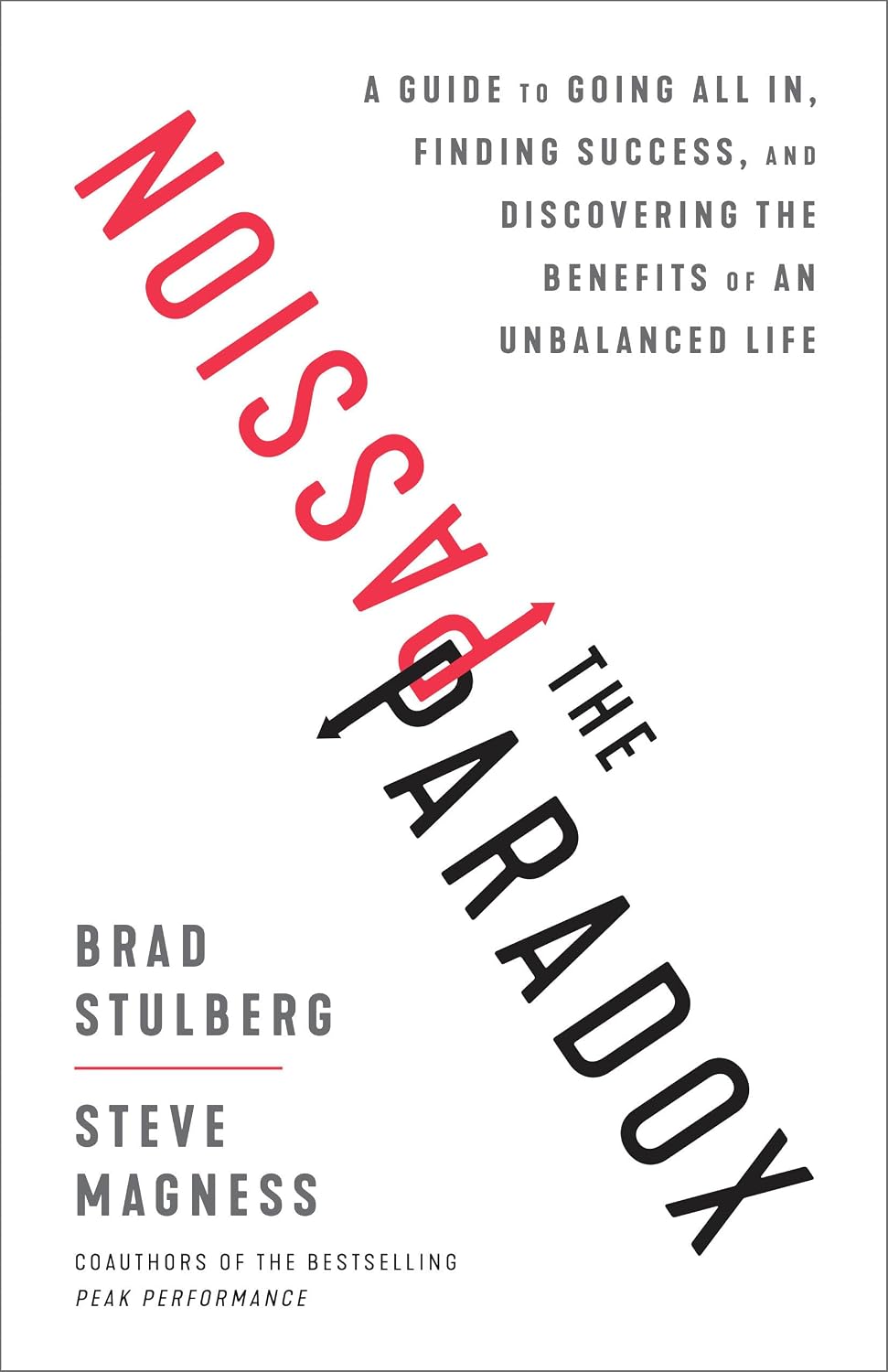
In the fall of 2018, I began a Master’s program at NC State while still serving in the US Army, preparing to teach at West Point afterward. Excited and nervous in equal measure, I did what I have always done under pressure: I overfunctioned — studied harder, worked later, and refused to stop until I was certain I had the right answer. For a while it worked. Then it stopped working. The problem with overfunctioning is that there is always more to learn, the project can always be a little better, and there is always someone who appears to know more. When the treadmill became impossible to step off, the consequences were real: an inability to hold a normal conversation, compulsive phone-checking during any pause, and lying awake at night unable to stop turning over unsolved problems.
The crash, when it came, was hard — and this is a candid account of it. What follows in the article is a reflection on the lessons that came out of that experience: the difference between extrinsic and intrinsic motivation, how to recognize the signs of unhealthy perfectionism before it reaches a crisis, and how grad school — for all its difficulty — ultimately became a catalyst for a more sustainable relationship with work and learning.
An unexpectedly personal piece for an engineering blog, but one that resonates with a recognizable pattern in technical culture, where “working hard” can silently tip over into something more damaging. Hopefully my willingness to write plainly about what went wrong will help make these lessons land.